Hello, I'm Shushant Rishav
A Backend Developer with a Passion for Clean Architecture

A Backend Developer with a Passion for Clean Architecture

I'm Shushant Rishav, a backend engineer with a strong foundation in computer science and a focus on building reliable, scalable backend systems and distributed services. Over the past few years, I've worked extensively with Golang, Python, Docker, Redis, and cloud-native tools to design high-performance APIs, decentralized applications, and data-driven platforms. I enjoy architecting clean, efficient systems that solve real business problems, whether it's handling high-traffic URL shortening, enabling blockchain-based payments, or designing machine learning pipelines for large-scale data. I'm passionate about distributed systems, systems design, and backend engineering best practices, and continuously challenge myself to deliver clean, performant, and maintainable code.
I specialize in backend engineering with expertise in Golang and Python for building distributed systems, high-performance APIs, and scalable web services. My technical toolkit includes Docker, Redis, and cloud-native development tools for containerized and microservices-based applications. I'm experienced in machine learning workflows using TensorFlow, Scikit-learn, and LightGBM, with hands-on work in AI-driven platforms and data pipelines. Additionally, I have a solid foundation in core computer science principles like data structures, algorithms, networking, database management systems, and system design ensuring the solutions I build are reliable, efficient, and scalable.
MarketPulse is a Go-based backend service for tracking and analyzing intraday market data. The system ingests market snapshots, aggregates them into fixed-interval OHLC candlestick data, and evaluates configurable alert conditions. Concurrency is handled using goroutines and channels to process data ingestion and alert evaluation efficiently, while REST APIs built on net/http and gorilla/mux expose clean endpoints for visualization and alert management.


Stride Assistant is a GenAI-powered customer support automation platform that enables users to raise issues, while providing dedicated staff and admin endpoints for review, decision-making, and escalation. The system combines deterministic LLM reasoning with policy-controlled workflows to generate structured support tickets, prevent infinite conversations, and ensure reliable resolution within bounded interactions. Built with production-grade observability and access control, it is designed for real-world support operations.
StayEase is a secure, role-based hotel booking backend service that enables customers to browse hotels and create room bookings, while allowing hotel managers and administrators to manage listings and reservations.Built with a clean layered architecture, the system enforces strict business rules such as date validation and room availability checks to prevent overbooking, ensuring data integrity and reliable booking workflows.


Xlido is a Slido-inspired event engagement platform built using Java and Spring Boot that enables organizers to create events, manage live Q&A sessions, and facilitate real-time audience interaction. The backend is designed with strong object-oriented principles and SOLID design patterns, featuring clean low-level design for user management, role-based access control, and event-session associations. The system emphasizes modular APIs, validation, and maintainability for scalable growth.
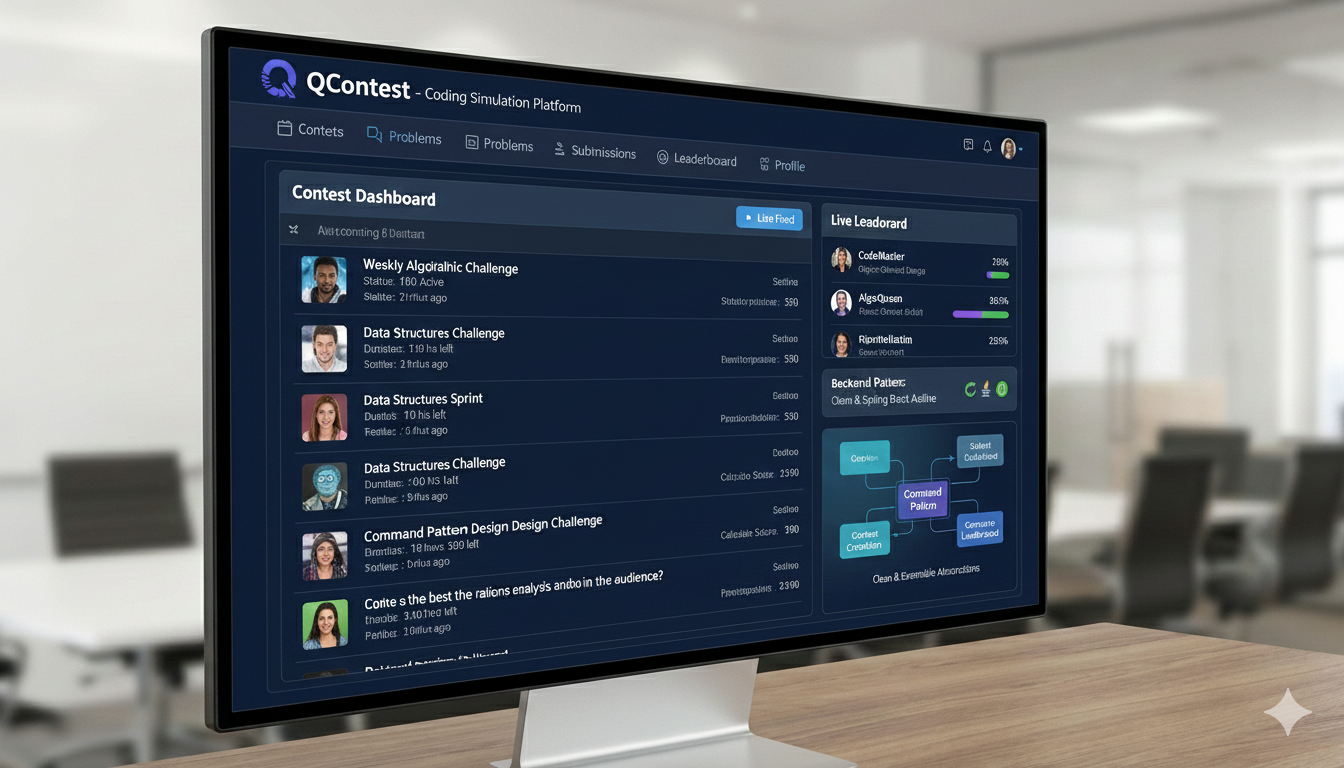
QContest is a Hackerrank-inspired coding contest simulation platform built in Core Java, designed to manage end-to-end contest workflows including contest creation, user participation, scoring, and leaderboard generation. The system follows object-oriented and SOLID design principles, using the Command design pattern to encapsulate contest operations and enable clean, extensible abstractions for adding new features with minimal changes.

QEats is a high-performance food ordering application that enables users to discover nearby restaurants and place orders seamlessly. Built with a focus on speed, scalability, and clean architecture, it leverages modern backend principles, efficient API design, and location-based search to deliver a real-time food ordering experience.
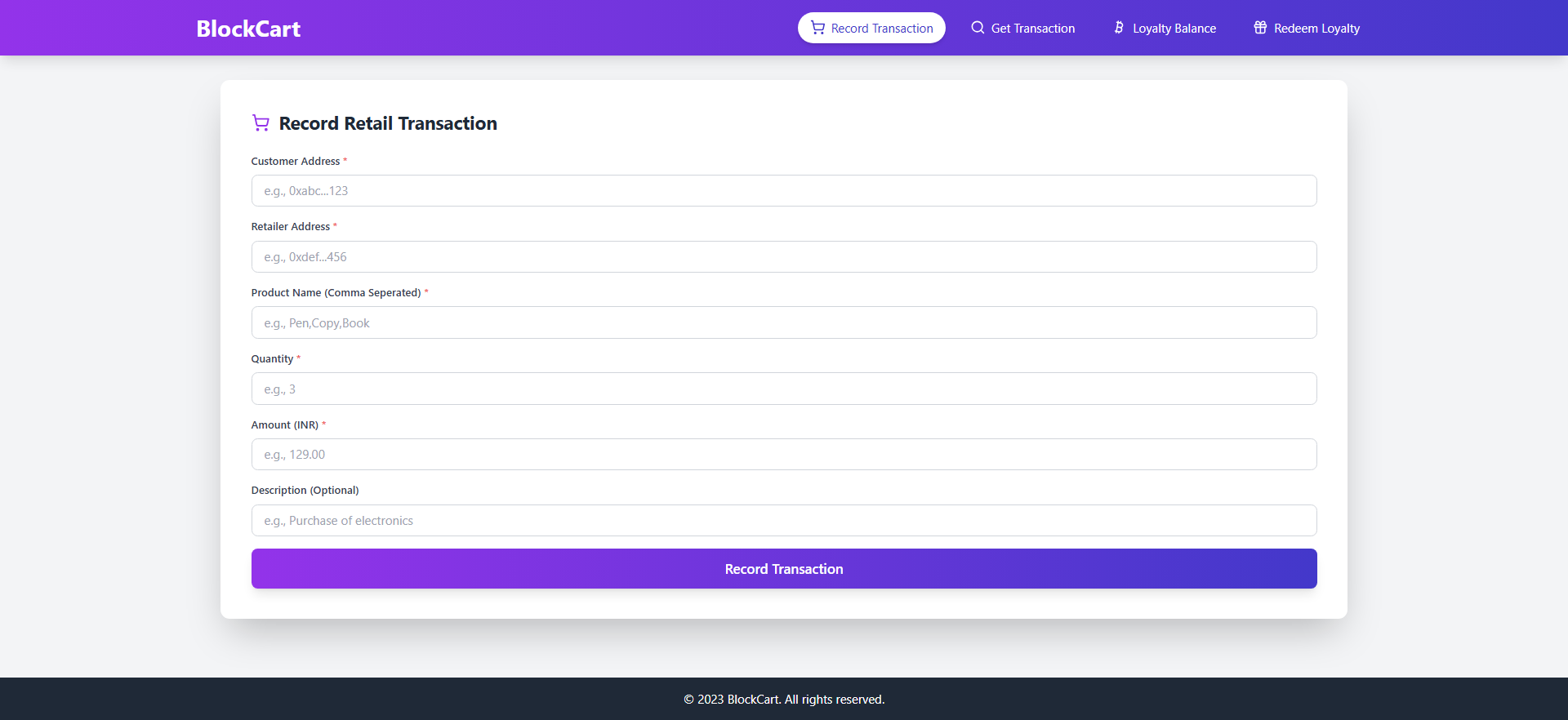
BlockCart is a decentralized retail management system built using FastAPI and powered by Ethereum smart contracts, designed to ensure transparent, tamper-proof transaction recording. The platform automates key retail processes including loyalty point awarding, real-time point redemption, and secure order logging, all recorded immutably on the blockchain. It also supports dynamic INR to Wei currency conversion for seamless integration between traditional and crypto-based transactions. With a focus on decentralization, transparency, and user trust, BlockCart brings the benefits of Web3 technology to modern retail ecosystems.
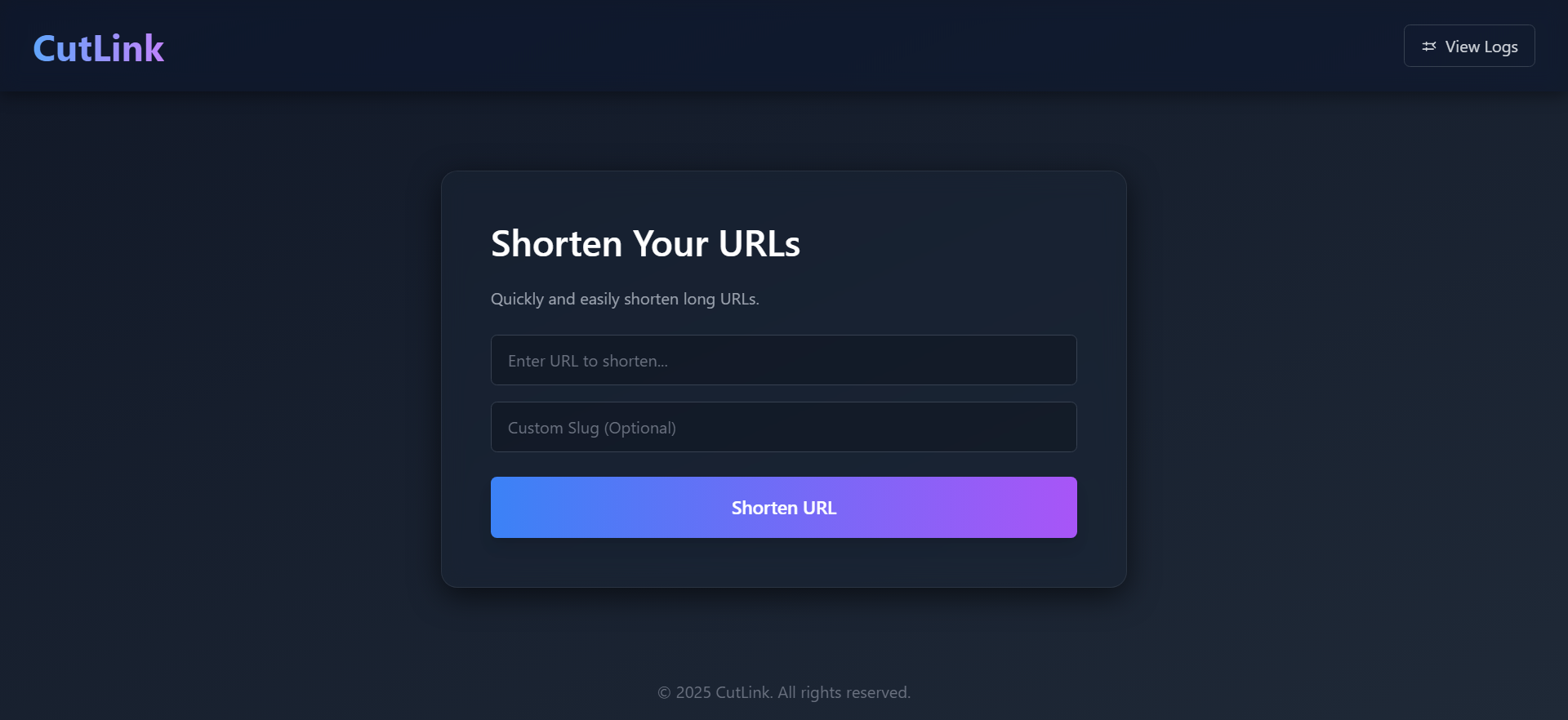
CutLink is a lightweight, scalable, production-ready URL shortener built with a clean, modular Go (Golang) backend architecture. It allows users to generate short, reliable URLs from long links, making them easier to share and manage. Designed for simplicity and speed, CutLink focuses on robust redirection, efficient routing, and maintainable code structure ideal for personal use cases or as a backend for larger systems. Fully containerized and deployed, it ensures consistent performance and seamless operation in modern development environments.
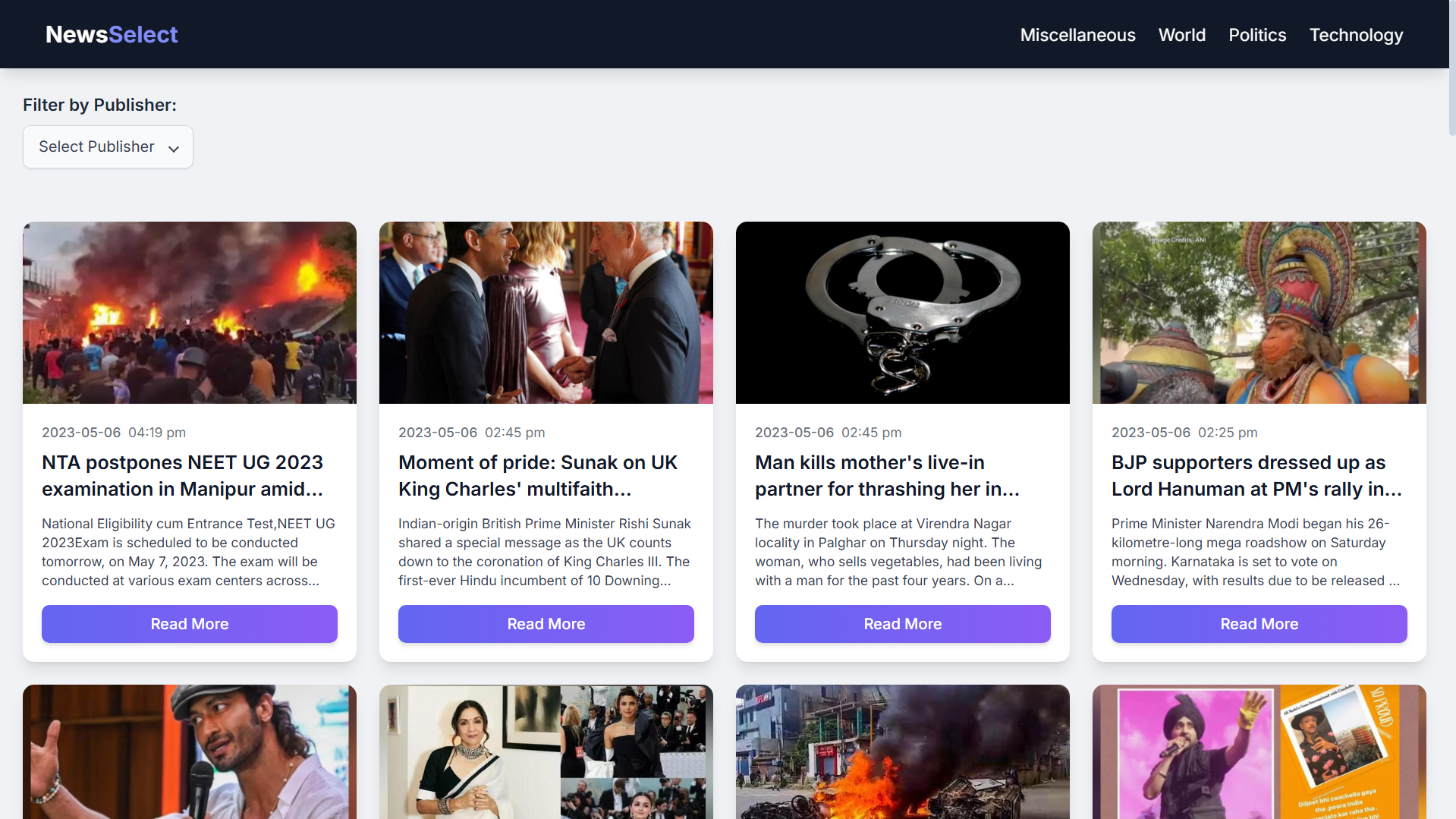
NewsSelect is a smart, NLP powered news summarization platform that leverages deep learning to generate concise, personalized news summaries. It involves end-to-end preprocessing and tokenization of raw news articles, followed by training a sequence-to-sequence summarization model using techniques like attention-based RNNs or Transformers. The trained model is then integrated into a Django based web application, enabling users to read categorized, digestible summaries from reputable news sources. NewsSelect aims to reduce information overload and help readers stay informed with minimal effort delivering only what matters most.

Malware Threat Prediction is a scalable data science project aimed at forecasting the likelihood of a machine being infected by malware. It utilizes telemetry data collected from Microsoft Defender to build predictive models capable of identifying malicious patterns. The solution is built using Python, with a heavy emphasis on performance and efficiency leveraging Dask for parallelized processing of large-scale structured data, and LightGBM for high-speed gradient boosting. It incorporates best practices in data cleaning, feature engineering, and model evaluation to achieve accurate, real time malware risk assessments.